Sci-Fi Predictions That Came True
Video calls, earbuds, tablets and more. Writers and artists pictured video calls, earbuds, tablets and wrist radios long before they existed. The predictions that came true, and how they did.
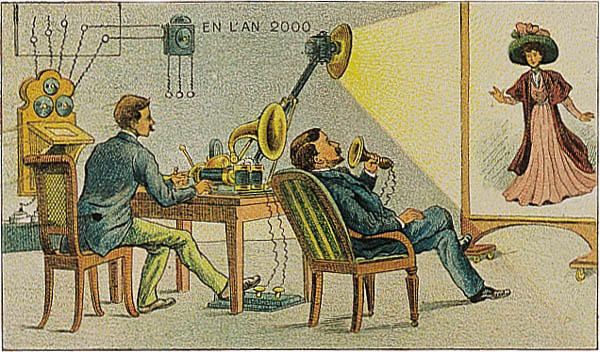
A video call, imagined in 1910: Villemard, Public domain
Calling with pictures
Around 1900, French artists created a series of cards imagining life in the year 2000, later collected by Isaac Asimov in his 1986 book Futuredays. One scene shows a couple watching and talking to a distant person on a screen, a video call drawn more than a century early.
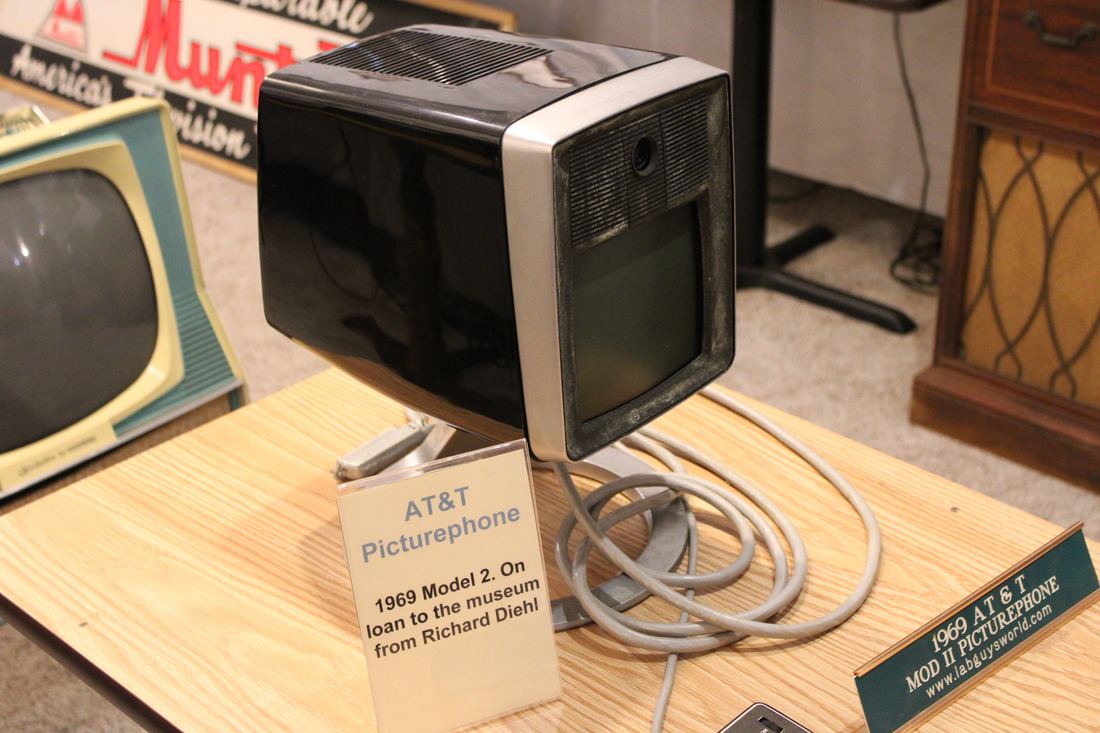
Real attempts came sooner than you might think. AT&T demonstrated its Picturephone at the 1964 New York World's Fair, and public booths opened in New York, Washington and Chicago. A three-minute call cost between 16 and 27 dollars, and the service flopped, peaking at fewer than 500 units. Video calling only became normal decades later, once laptops and phones had cameras and fast internet.
Earbuds and wrist radios
In Ray Bradbury's Fahrenheit 451, published in 1953, characters wear Seashell ear-thimbles that pour sound into their ears all day. Readers today recognize wireless earbuds, and Bradbury's dark point about tuning out the world still lands.
On 13 January 1946, Dick Tracy started talking into a 2-Way Wrist Radio in the comics, later upgraded to a wrist TV. Smartwatches with calling finally made it real, and the wrist radio is often cited as an inspiration for them.
Tablets before tablets
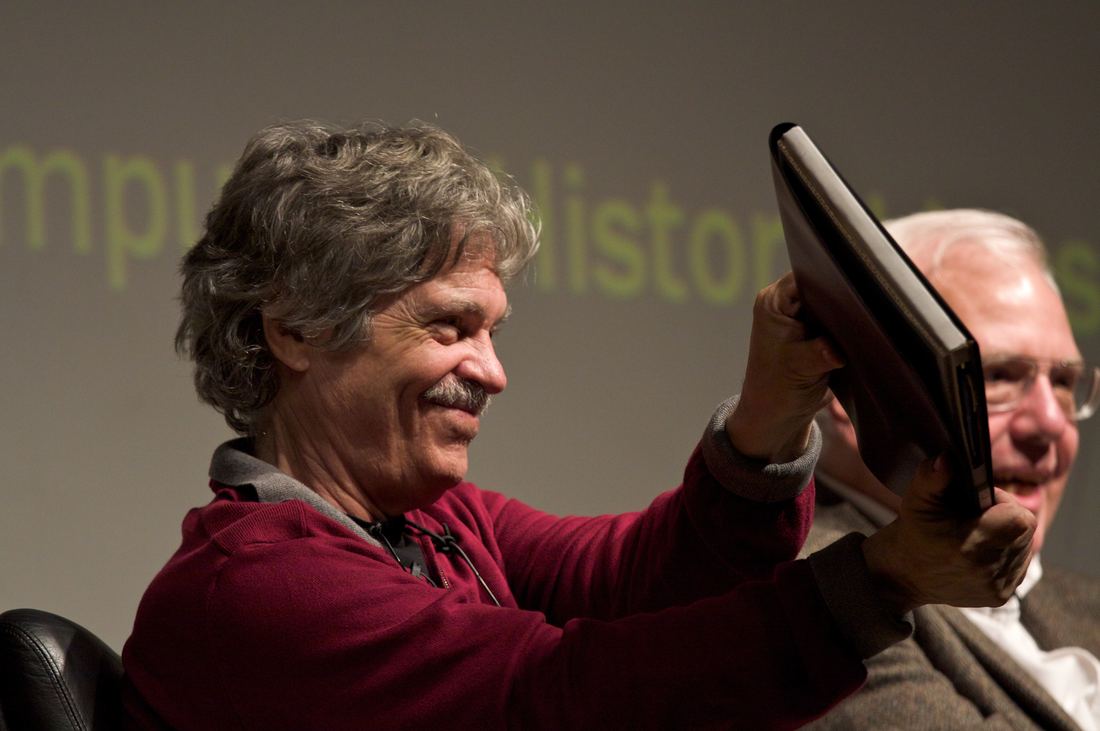
Stanley Kubrick's 2001: A Space Odyssey, released in 1968, showed astronauts reading news on flat screens called newspads, an idea from Arthur C. Clarke. In the same year computer scientist Alan Kay began sketching the Dynabook, a book-sized personal computer for children, and later built cardboard models. Star Trek: The Next Generation gave its crew touchscreen PADDs in 1987.
The first commercially successful tablet, the GRiDPad, arrived in 1989, and the iPad in 2010 became the first to be truly mass market.
Why some predictions hit
Good predictions usually come from people who understood the science of their day and imagined it getting smaller, cheaper and more personal. The misses are just as fun: the same French cards imagined flying firefighters and croquet played under water. The lesson is that the hardware often arrives, but rarely in the exact form, price or timeline anyone guessed.
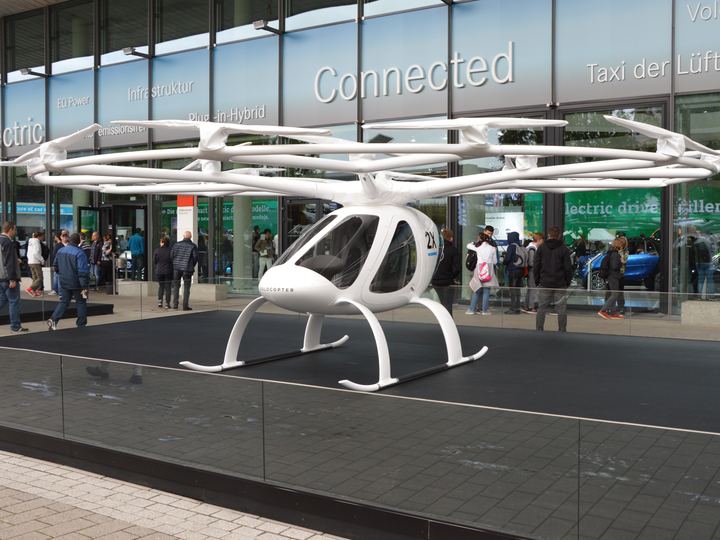
That is worth remembering when reading today's forecasts about air taxis, home robots or smart glasses. Some will arrive sooner than expected, some later, and some will turn into something nobody quite predicted. Check our predictions timeline for more examples.
- Wikipedia: En L'An 2000
- Wikipedia: Picturephone
- Wikipedia: Fahrenheit 451
- Wikipedia: Dick Tracy
- Wikipedia: Tablet computer
Facts on this page were checked against these sources.
- A video call, imagined in 1910: Villemard, Public domain
- The 1969 Picturephone: DogsRNice, CC BY-SA 4.0
- Alan Kay and the Dynabook model: Marcin Wichary from San Francisco, U.S.A., CC BY 2.0
Text written by Futuristic Flow.