Hyperloop: What Really Happened
The tube train idea, tested honestly. Hyperloop promised airline speeds in a low-pressure tube. Here is what was built, what was tested, which companies closed and where research goes on.
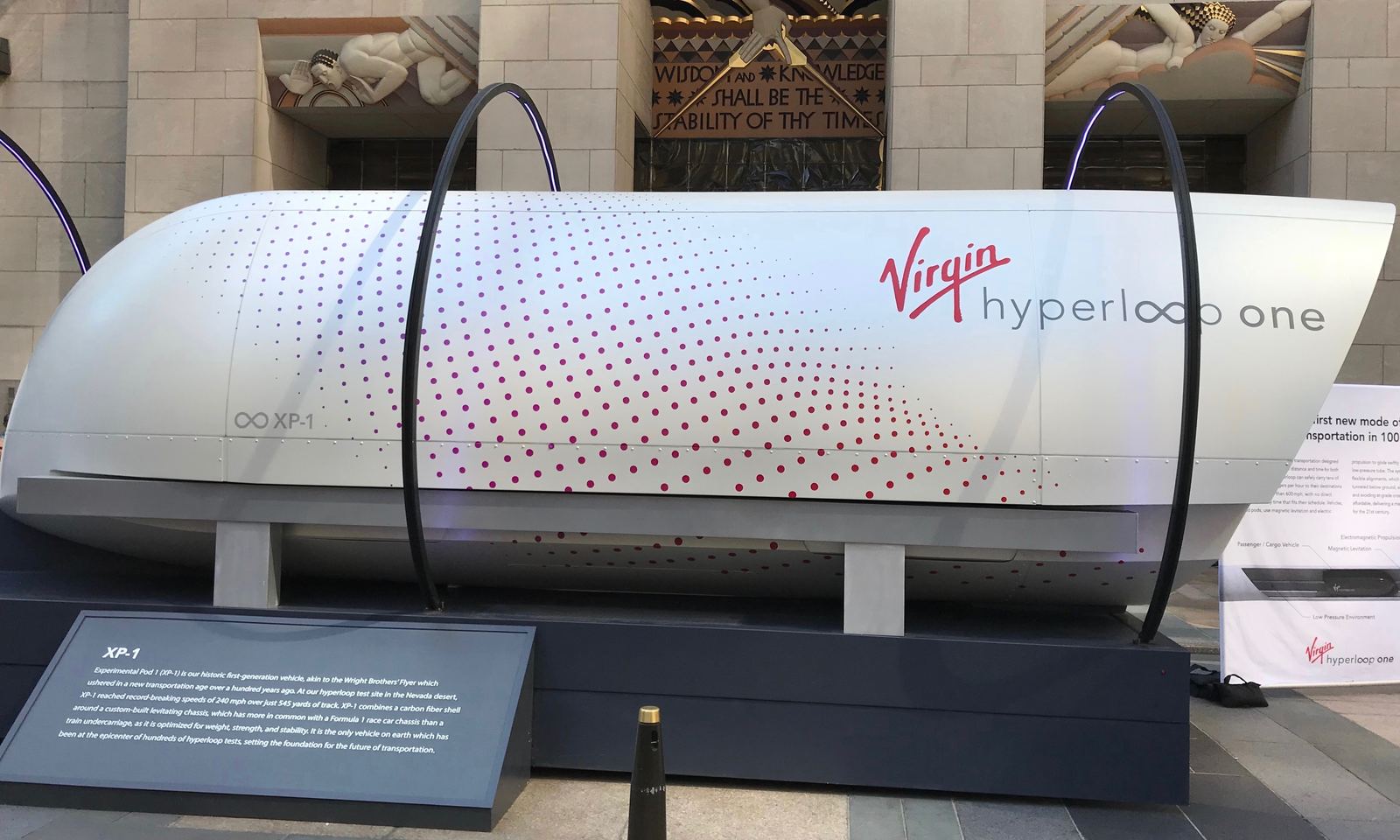
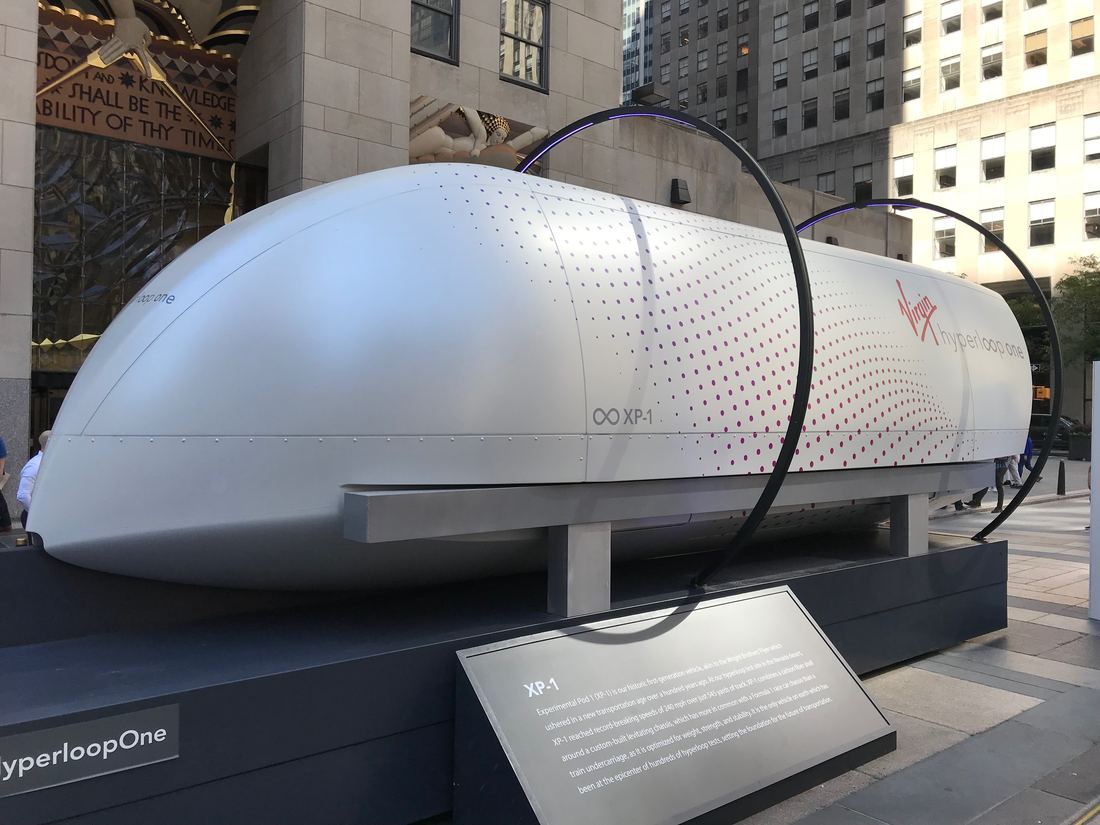
The XP-1 test pod: Z22, CC BY-SA 4.0
The big idea
In August 2013 Elon Musk published a white paper called Hyperloop Alpha. It described passenger pods racing through a tube with most of the air pumped out, which would cut drag and in theory allow speeds close to an airliner. The paper was released as an open concept, and dozens of startups and university teams jumped in.
The appeal was easy to see: city to city in minutes, powered by electricity. The hard parts were less obvious at first. Keeping hundreds of kilometers of tube airtight, dealing with heat expansion, building in emergency exits and buying land for a perfectly straight route are all enormous engineering and cost challenges.
What was actually built
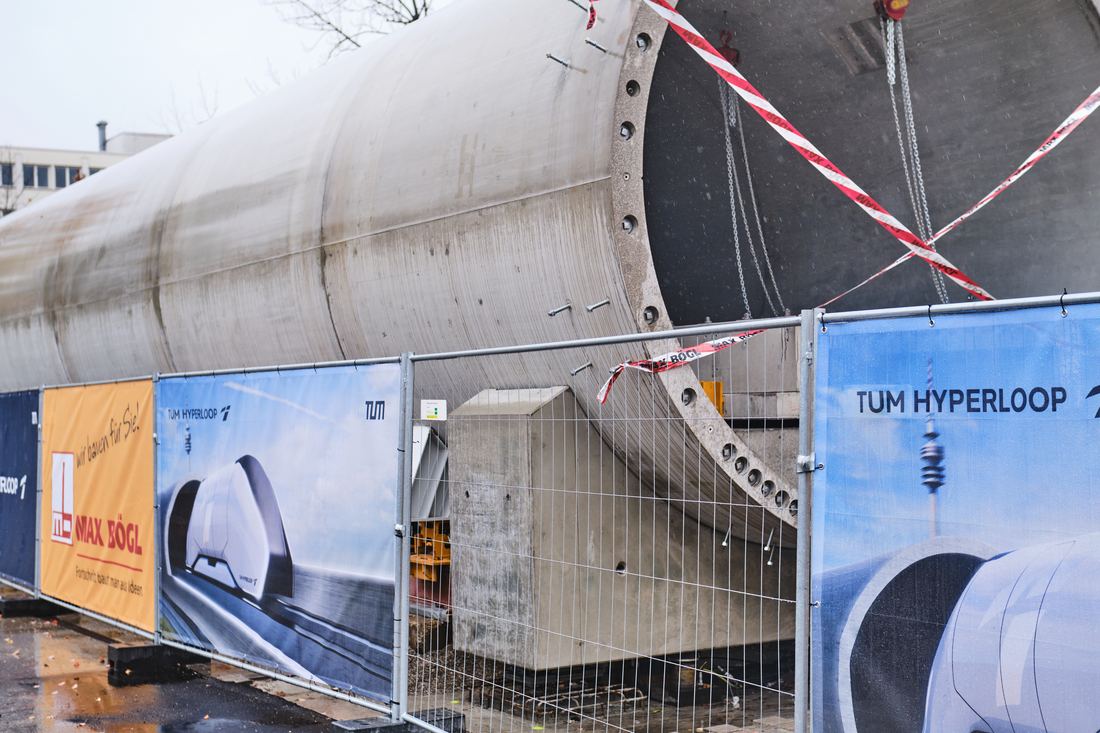
SpaceX ran pod competitions for students from 2015 to 2019. The Technical University of Munich team won repeatedly, and in 2019 its pod hit 463 km/h on a test tube in California. That team later built its own test tube in Ottobrunn near Munich, which began certified operation in 2023.
The best-known company, Virgin Hyperloop, carried its first two passengers in November 2020 at its DevLoop test track in the Nevada desert. The pod reached 172 km/h, far below the dreamed speeds but a real first. In 2022 the company switched its focus to cargo, and as Hyperloop One it shut down at the end of 2023.
Where things stand
As of 2026 no passenger hyperloop line is in service anywhere. Some firms, including Hardt in the Netherlands, have closed. Others keep testing on short tracks: Swisspod ran its vehicle on a test track in Pueblo, Colorado, in 2025, and research continues at the European Hyperloop Center in the Netherlands. In South Korea, a planned Seoul to Busan route was shelved in 2024.
The honest summary is that hyperloop has produced useful research on low-pressure tubes, magnetic levitation and linear motors, but not a working transport system. If one arrives, it will most likely start small, as freight or a short demonstration line.
How to read hyperloop news
Watch for the difference between a render and a ride. Announcements of routes, feasibility studies and investment pledges have been common since 2013. Test track speeds, safety certification and paying passengers are the milestones that actually matter.
Facts on this page were checked against these sources.
- The XP-1 test pod: Z22, CC BY-SA 4.0
- TUM's test tube near Munich: Photo MF, CC BY-SA 4.0
- XP-1 from the front: Z22, CC BY-SA 4.0
Text written by Futuristic Flow.