Maglev Trains
Trains that float on magnets. How magnetic levitation trains float, why Shanghai and Japan lead the way, and when the 500 km/h Chuo Shinkansen might finally carry passengers.
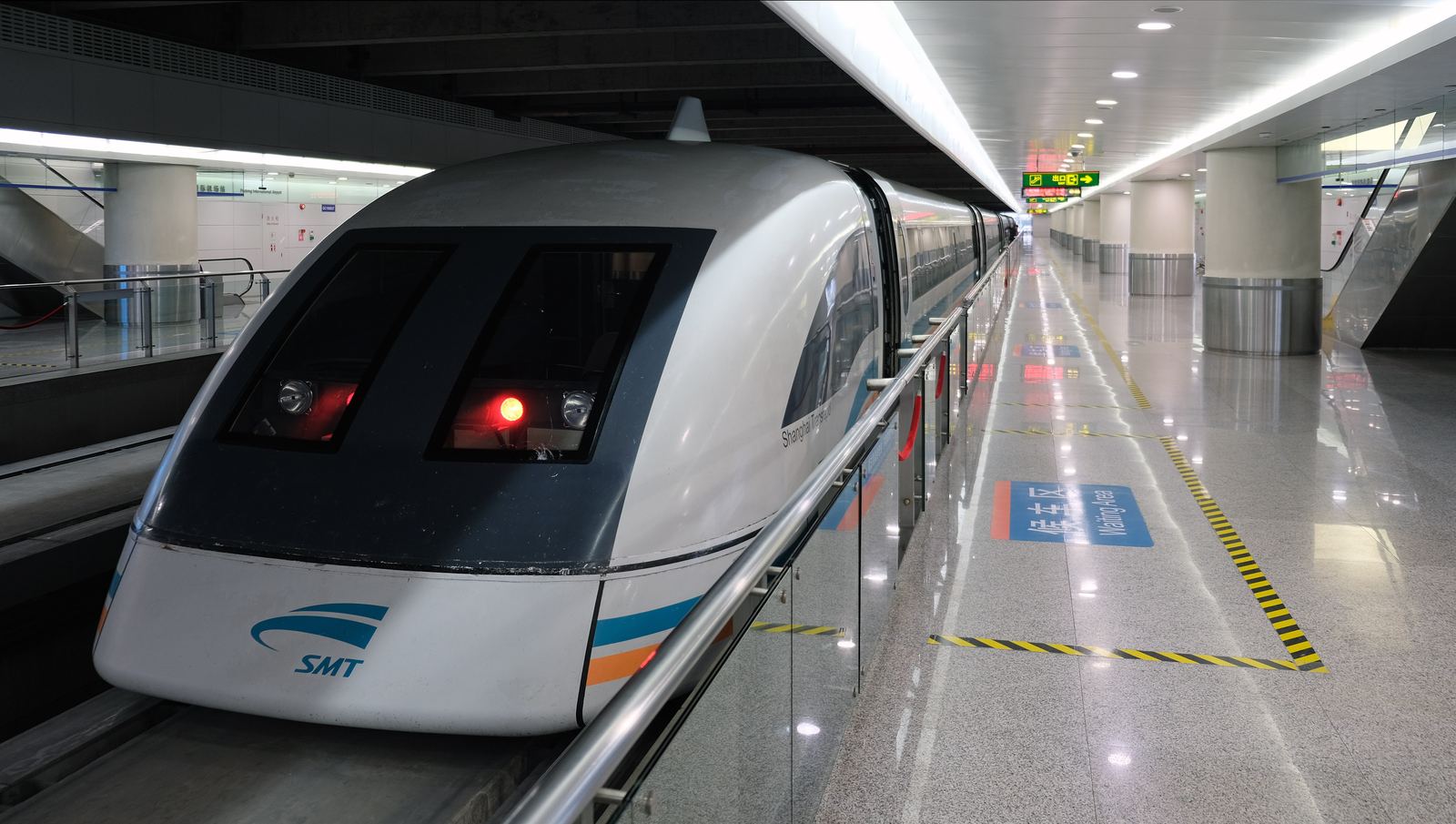
Shanghai's airport maglev: kallerna, CC BY-SA 4.0
No wheels on the rails
A maglev train does not roll. Powerful magnets lift it a short distance above a guideway, and a linear motor built into the track pulls it forward by switching magnetic fields in sequence. With no wheels grinding on steel, the main thing slowing the train is air resistance, which is why maglevs can cruise far faster than most trains.
There are two main designs. Electromagnetic suspension, used by the German Transrapid system, wraps the train around a steel rail and uses carefully controlled magnets to hold a gap of about a centimeter and a half. Electrodynamic suspension, used by Japan's SCMaglev, relies on superconducting magnets that push the train up only once it is moving fast, so it rides on rubber wheels at low speed like a plane taxiing.
Shanghai: the one you can ride at full speed
The world's first high-speed commercial maglev links Shanghai's Longyang Road station with Pudong International Airport, a run of about 30 km. Opened in 2002 and 2003, it cruised at 431 km/h for years, then switched to 300 km/h in 2021. The trip still takes only about eight minutes.
Several slower maglevs also run as everyday transit, including the Linimo line in Aichi, Japan, and lines in Changsha and Beijing. The first commercial maglev of all was a tiny airport shuttle in Birmingham, England, which opened in 1984 and closed in 1995.
Japan's 600 km/h record holder
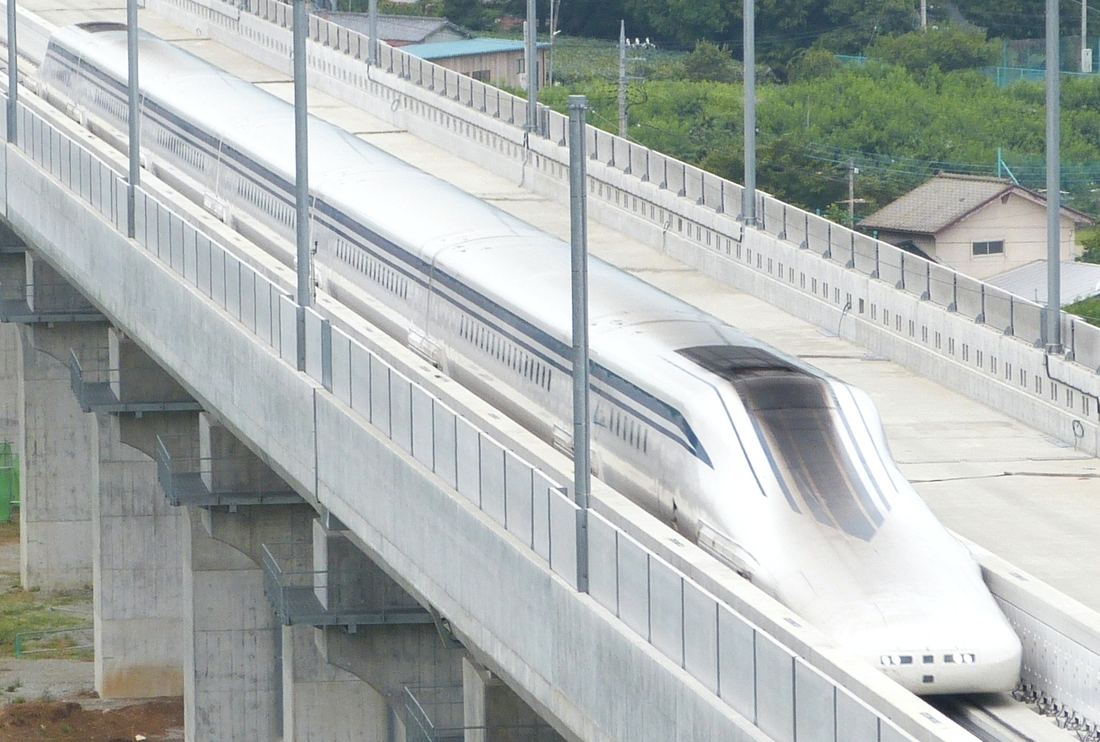
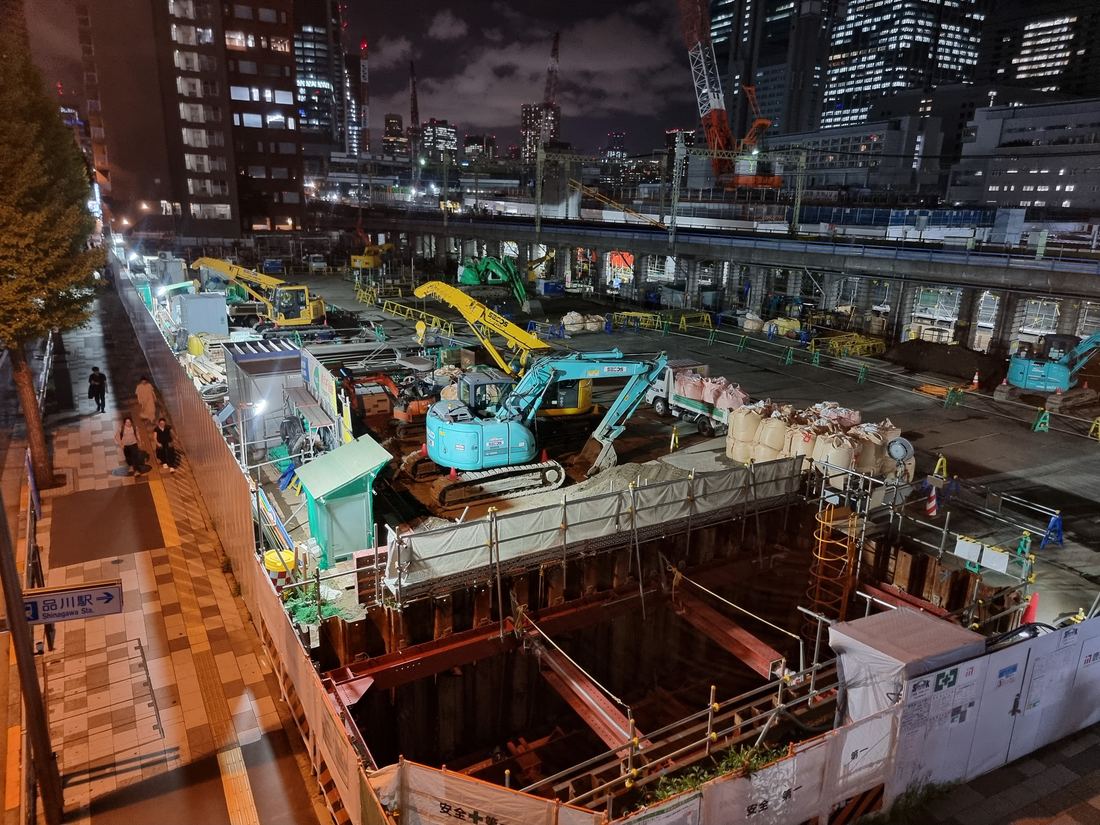
On 21 April 2015 a Japanese L0 Series train reached 603 km/h on the Yamanashi test line, still the speed record for a crewed train. That technology is meant for the Chuo Shinkansen, a new line from Shinagawa in Tokyo to Nagoya, about 286 km and mostly in tunnels. The planned trip time is about 40 minutes.
The line was once scheduled for 2027, but work on a tunnel section in Shizuoka Prefecture was held up for years over water concerns. Current estimates put the opening in the mid-2030s, so treat any exact year as a moving target.
Why there are so few
Maglev guideways are expensive, and they cannot share tracks with ordinary trains, so a new line means building everything from scratch. Many countries have chosen faster conventional high-speed rail instead. Where maglev wins is on very busy routes where every minute saved matters, which is exactly the bet Japan is making.
Facts on this page were checked against these sources.
- Shanghai's airport maglev: kallerna, CC BY-SA 4.0
- Japan's L0 Series SCMaglev: Hisagi, CC BY-SA 4.0
- Building the Chuo Shinkansen in Tokyo: Benlisquare, CC BY-SA 4.0
Text written by Futuristic Flow.
← Sci-Fi Predictions That Came TrueHyperloop: What Really Happened →