Self-Driving Robotaxis
Cars with nobody in the driver's seat. Robotaxis now carry paying riders with no one behind the wheel in a growing list of cities. How they see, where they run and what the driving levels mean.
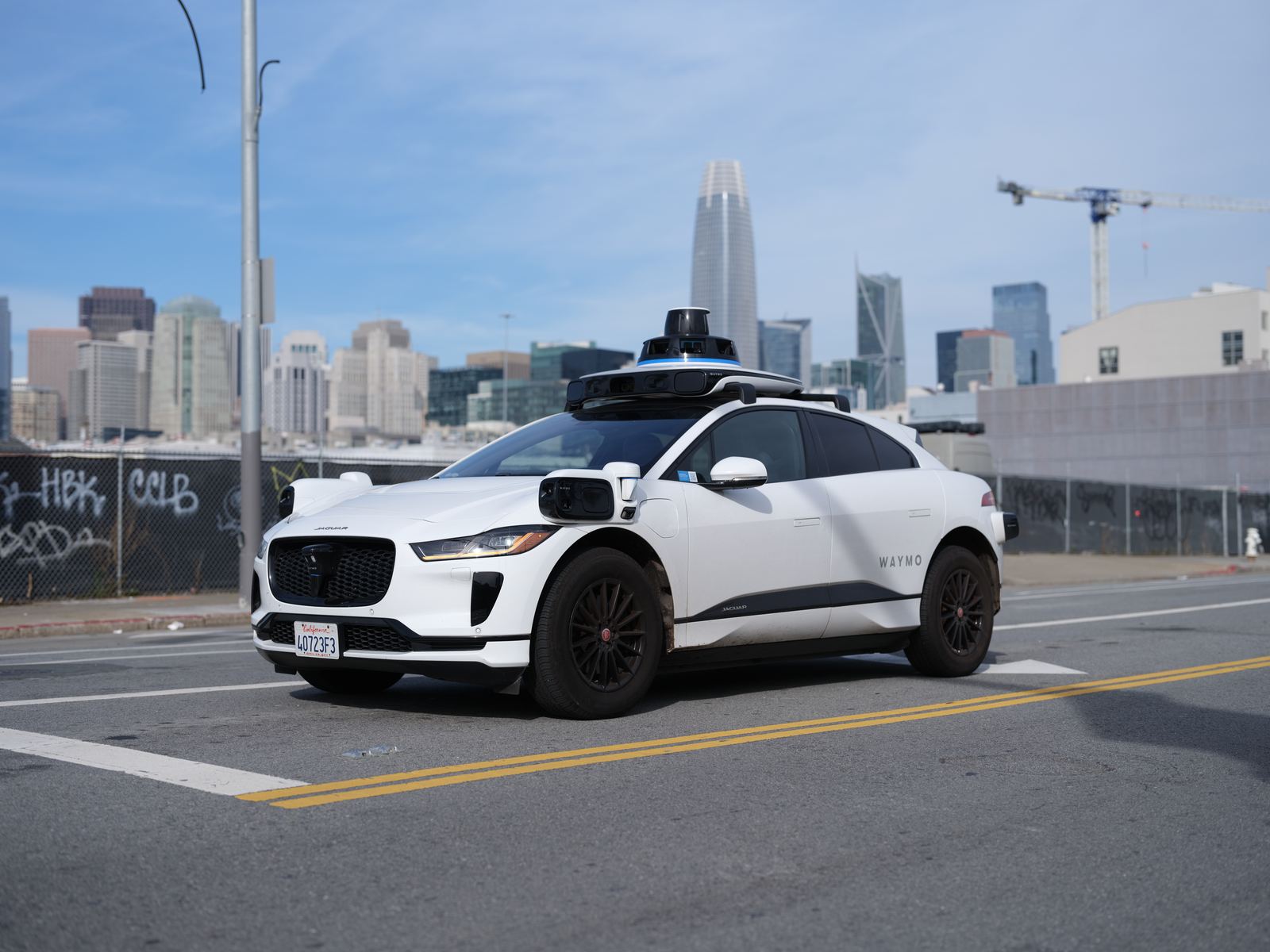
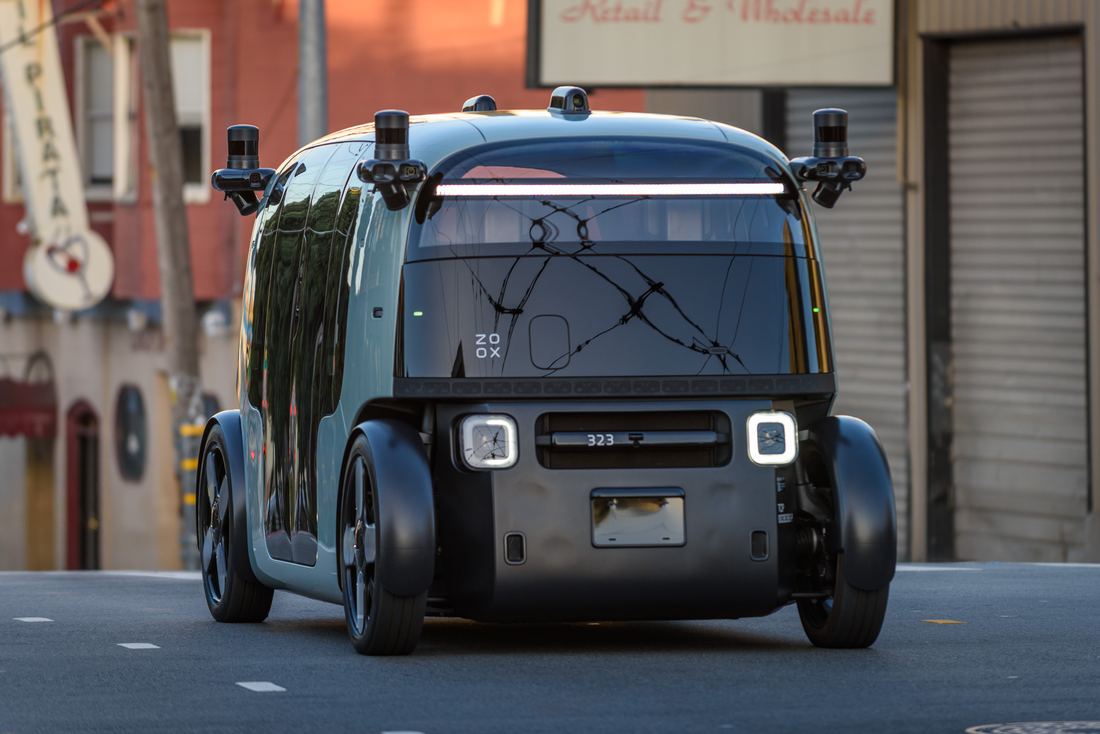
A robotaxi in San Francisco: Dllu, CC BY 4.0
From science fair to city streets
Self-driving cars spent decades as research projects before a few companies began offering rides to the public. The milestone that matters is the empty driver's seat: a car that drives within a defined area with no human ready to take over is called Level 4 on the SAE scale. Level 5, a car that can drive anywhere in any weather, does not exist yet.
Phoenix was first. Waymo opened fully driverless rides to the public there in 2020, then expanded to San Francisco, Los Angeles, Austin and Atlanta, and through 2026 to more cities including Miami, Dallas, Houston, Nashville and San Diego. Waymo has said it is aiming for London by the end of 2026.
Video: Waymo 360° Experience: A Fully Autonomous Driving Journey (Waymo), embedded from YouTube.
How a robotaxi sees
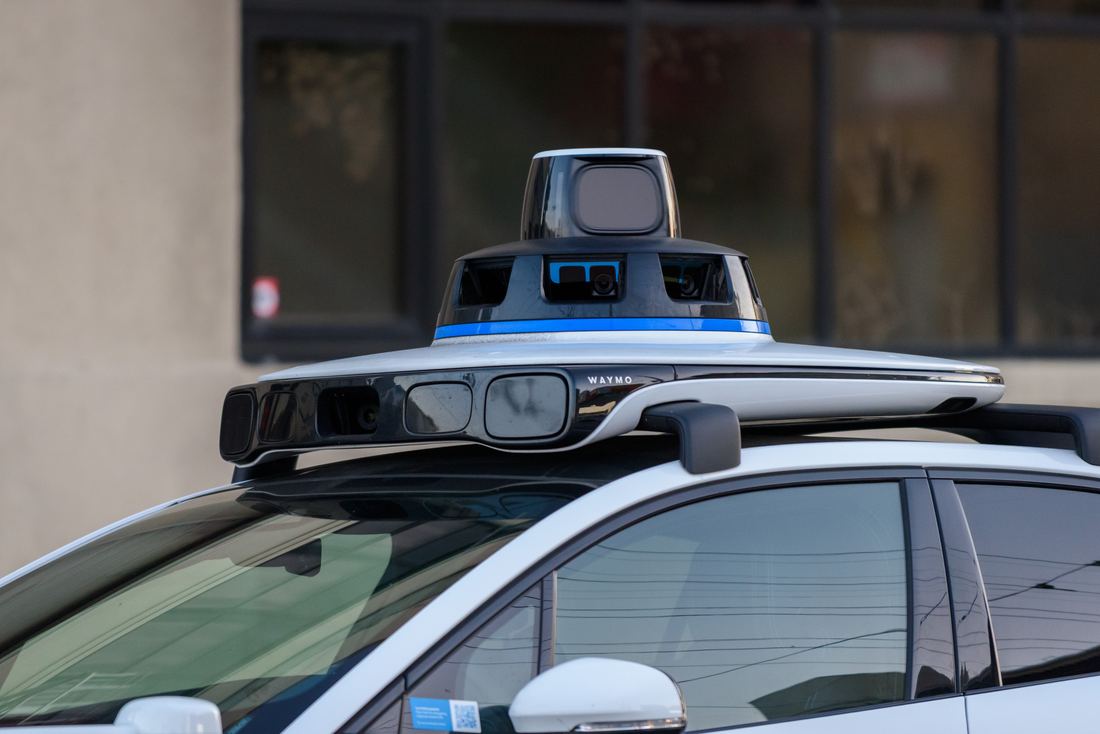
A robotaxi surrounds itself with sensors. Lidar spins on the roof and builds a 3D point map of everything nearby using laser pulses. Radar measures speed and works in rain and fog. Cameras read traffic lights, signs and lane lines. Software fuses all of it, predicts what every car, bike and pedestrian will do next, and plans a path many times a second.
The cars also rely on detailed maps of their service area. When something truly confusing happens, they can ask a remote support team for guidance, although the car itself does the driving.
Cars built without a wheel
Most robotaxis so far are converted electric cars. Amazon's Zoox took a different route and built a symmetrical, bidirectional pod with face-to-face seating and no steering wheel or pedals. It began free rides on the Las Vegas Strip in September 2025, started charging fares there in 2026 and runs a test program in San Francisco.
Other services operate in China, and several carmakers are developing their own. Pricing, fleet size and how cities regulate pickup zones will shape how quickly robotaxis spread.
Riding one
You book through an app, the car pulls up, and you unlock it with your phone. Screens show what the car is seeing and let you start the ride or call support. Riders often say the strangest part is how normal it feels after the first few minutes.
Robotaxis follow the speed limit, stop fully at stop signs and signal every turn, which can feel almost too polite next to human drivers. Services usually let riders rate trips and report problems, and that feedback, along with millions of driven miles, is how the software keeps improving.
- Wikipedia: Waymo
- Wikipedia: Zoox (company)
- Wikipedia: Self-driving car
- TimesLIVE: Waymo to launch robotaxis in London by late 2026
Facts on this page were checked against these sources.