The Smart Home, Explained
Lights, locks and thermostats that talk. A plain guide to smart homes: hubs, sensors, smart thermostats, voice control and the Matter standard that lets gadgets from rival brands work together.
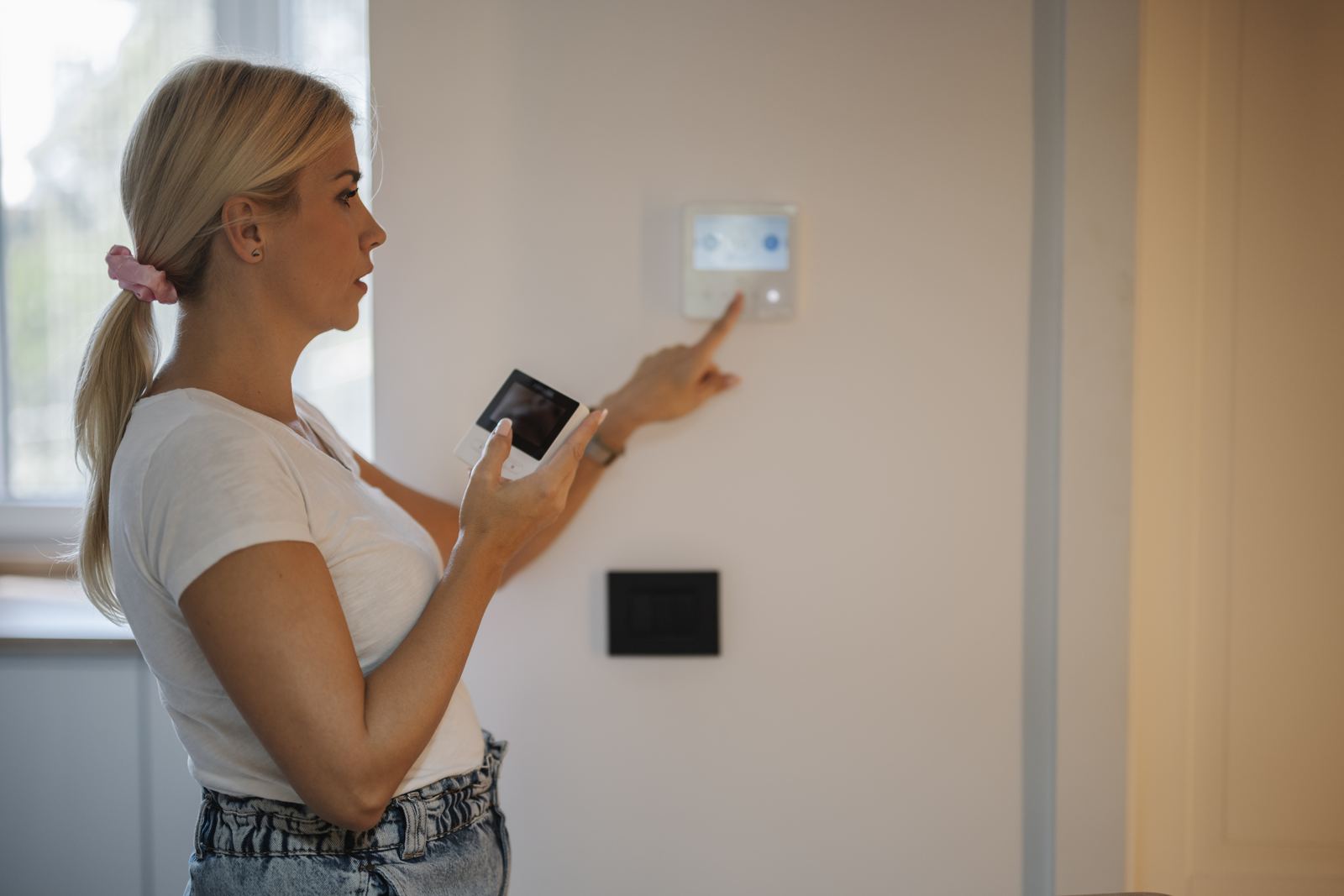
Smart thermostat and phone control: Shixart1985, CC BY 2.0
What makes a home smart
A smart home is simply a home where devices can be controlled remotely and can react to each other. A motion sensor turns on a hallway light, a door lock texts you when the kids get home, a thermostat lowers the heat when everyone leaves. Each device has a small radio and a chip, and an app, hub or voice assistant ties them together.
The idea is old. Home automation kits that sent signals over household wiring appeared in the 1970s. What changed was cheap wireless chips, smartphones and cloud services, which turned gadgets into products anyone could install in an afternoon.
The tangle problem and Matter
For years, smart homes were a mess of competing systems. A bulb that worked with one voice assistant might ignore another, and many households ended up with several hubs and apps. The industry's answer is Matter, an open standard maintained by the Connectivity Standards Alliance and backed by the biggest names in tech.
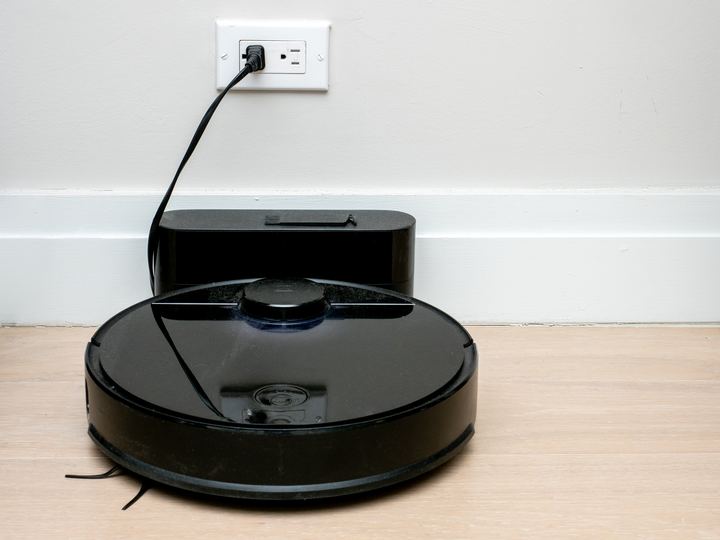
Matter 1.0 arrived on 4 October 2022 and covered lighting, plugs, locks, thermostats, blinds and sensors. Later versions added robot vacuums, appliances, energy devices such as heat pumps and EV chargers, and in 2025 cameras. Matter devices talk over Wi-Fi, Ethernet or Thread, a low-power mesh network where each mains-powered gadget relays messages for its neighbors.
The devices worth knowing
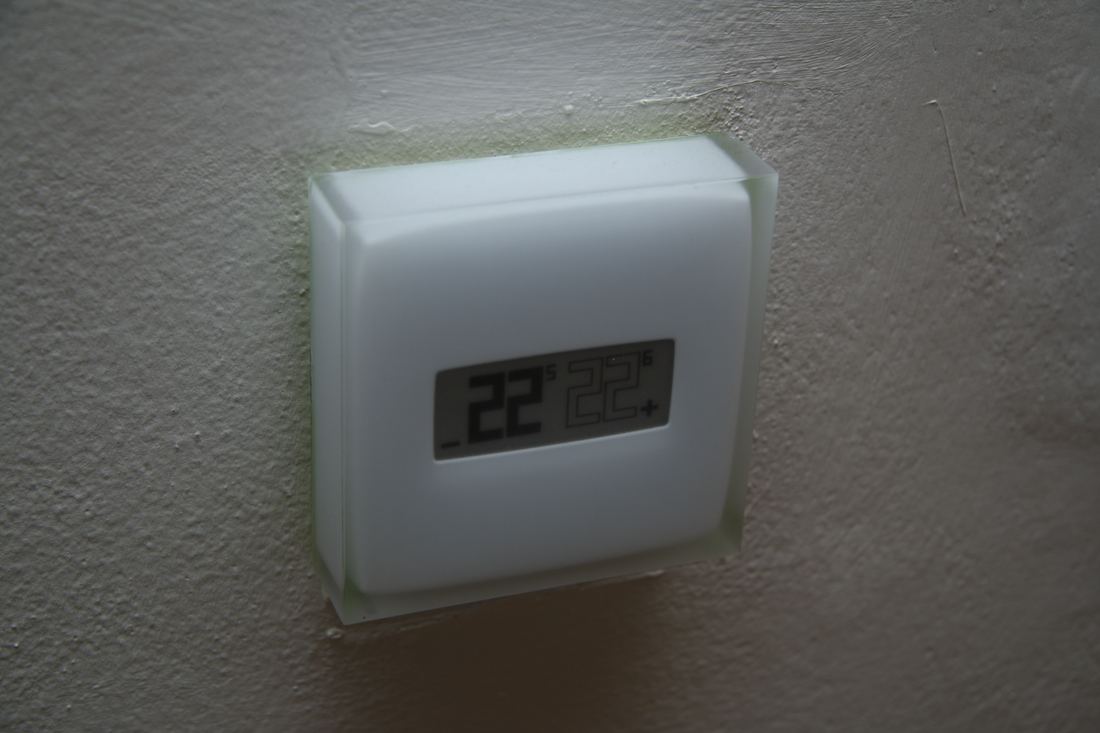
Smart thermostats learn schedules and let you adjust heating from your phone. Smart plugs make any lamp controllable. Video doorbells and smart locks change how deliveries and guests work. Leak sensors under sinks can warn you before a small drip becomes a ruined floor.
Voice assistants act as a friendly front door to all of this, but they are optional. Many people find that simple automations, like lights that follow sunset, deliver more value than talking to a speaker.
Privacy and reliability
Every connected device is another thing to update and secure. Good habits help: change default passwords, keep firmware current, put gadgets on a separate guest network if your router allows it, and favor devices that keep working locally when the internet drops. Matter and Thread were designed partly to make that local control easier.
Start small. One smart plug or a smart thermostat teaches you how routines work, and you can add sensors and lights once you know what you actually use. The best smart home is the one that quietly saves you a few steps every day without needing attention.
Facts on this page were checked against these sources.
- Smart thermostat and phone control: Shixart1985, CC BY 2.0
- A wall-mounted smart thermostat: Jiří Sedláček, CC BY-SA 4.0
Text written by Futuristic Flow.