Humanoid Home Helpers
Robots shaped like us. From Honda's ASIMO to new home humanoids taking preorders: why companies build robots like us, what they can do and what is still remote-controlled.
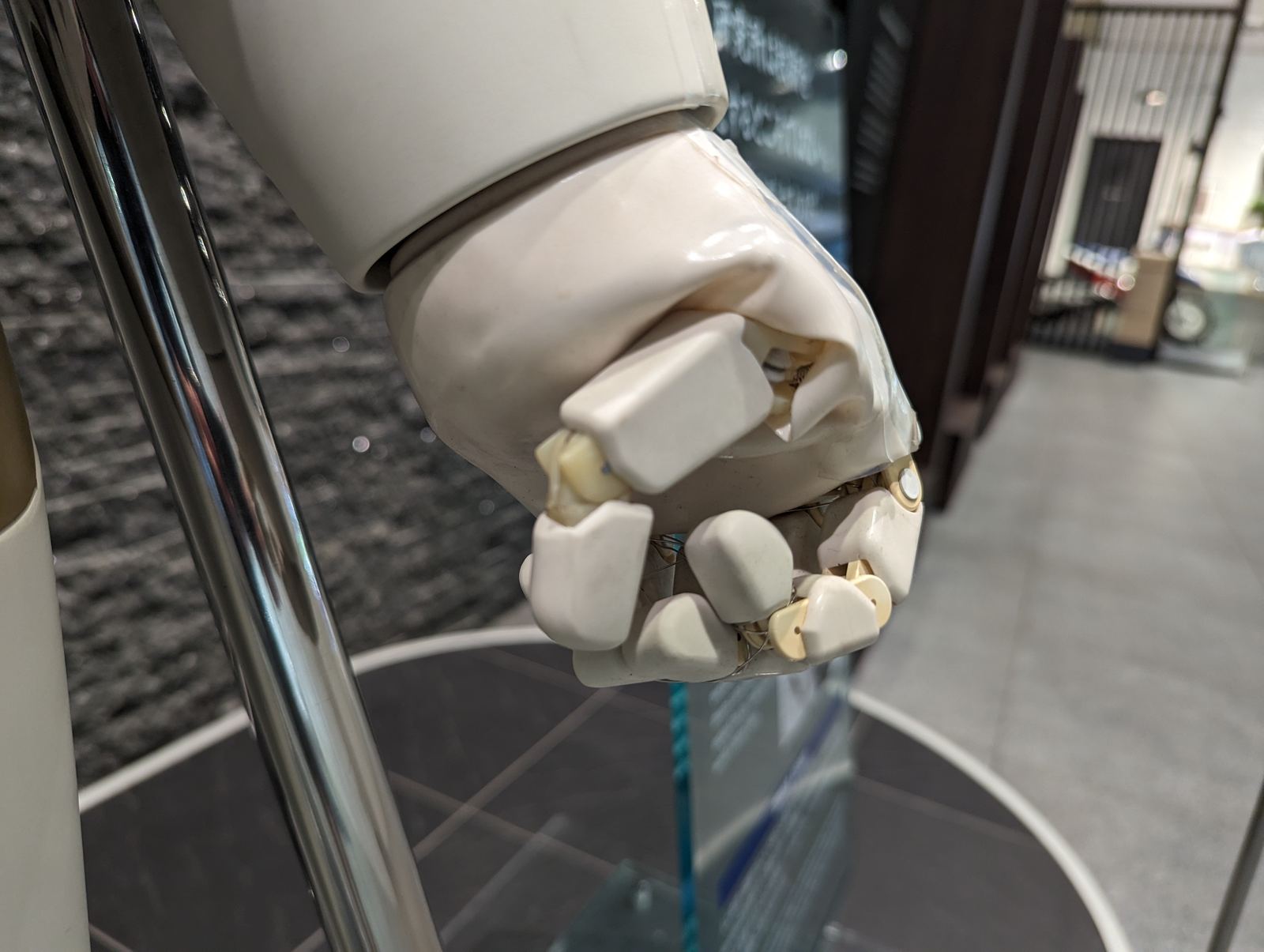
ASIMO at the Honda Collection Hall: Syced, CC0
Why build a robot like a person
Homes are designed around human bodies: stairs, door handles, kitchen counters, laundry baskets. A robot with two arms, two hands and a human-sized frame can, in theory, use all of it without rebuilding the house. That is the main argument for humanoids, and it is why several companies are racing to build them.
The counterargument is that specialized robots, like a robot vacuum, are cheaper and more reliable at one job. The future home will probably have both.
ASIMO, the pioneer
Honda unveiled ASIMO in October 2000, a child-sized robot about 1.2 m tall that could walk, climb stairs and, in later versions, run. It toured the world as an ambassador for robotics and inspired a generation of engineers. Honda stopped development in 2018 to focus on practical uses of the technology, and ASIMO made its last appearances in March 2022.
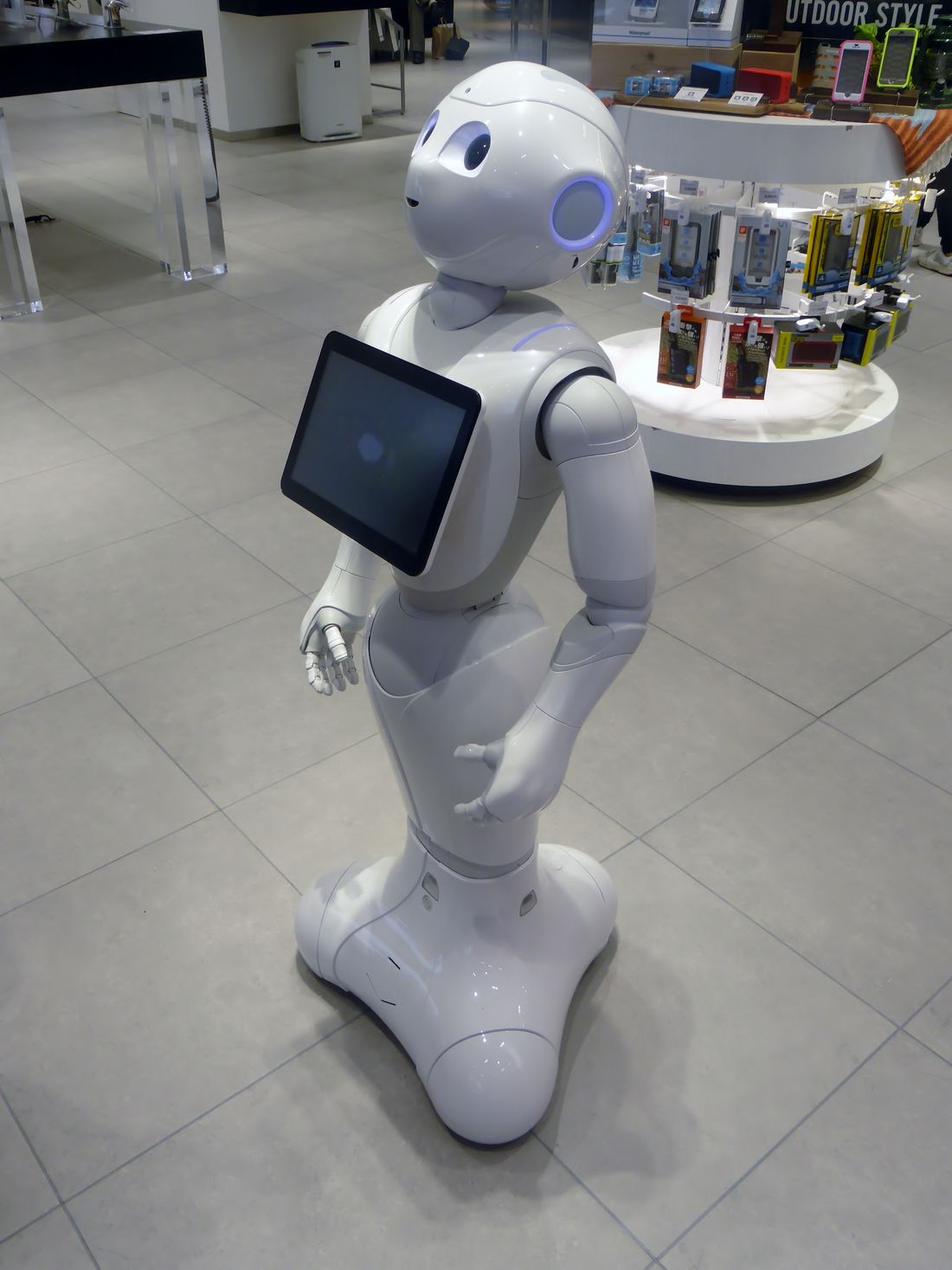
Another familiar face was SoftBank's Pepper, a wheeled humanoid with a tablet on its chest that greeted visitors in shops, banks and offices, mostly in Japan, until production paused in 2021 because of weak demand.
The new wave
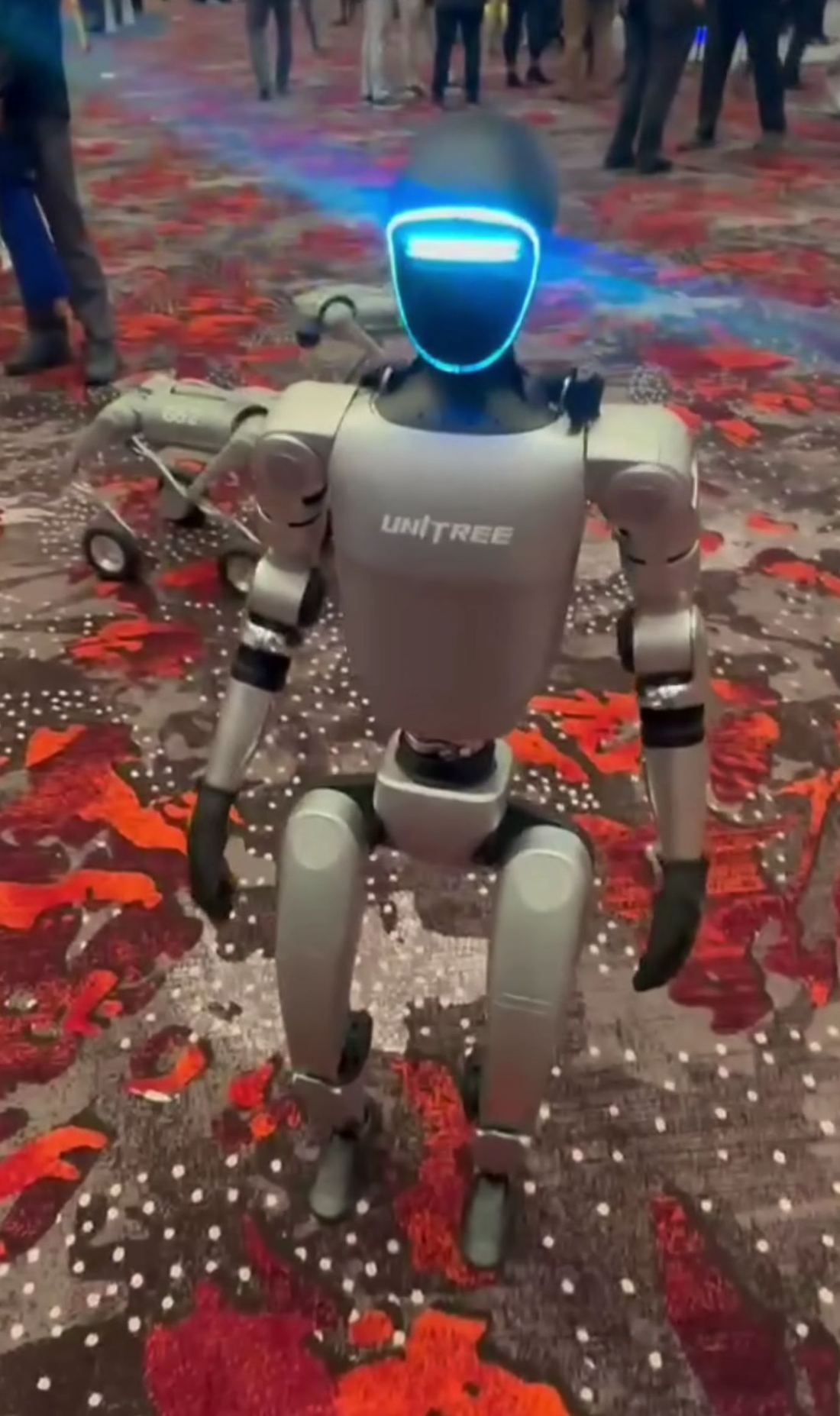
A new generation of humanoids is aimed at factories, warehouses and eventually homes. Some, like Unitree's G1, are compact research and demo robots. Norway's 1X opened preorders for NEO, a soft-bodied home humanoid, in October 2025, at 20,000 dollars or a 499 dollar monthly subscription, with deliveries planned for 2026.
There is an important catch. Reporting on early NEO demos found that many household tasks were done with a human operator guiding the robot remotely through a VR headset. The company says customer data will help the robot learn to do more on its own, which also raises real privacy questions about a camera-equipped machine in your home.
What to expect at home
In the near term, home humanoids will be slow, careful and partly teleoperated, good for simple chores like fetching items or tidying. Safety around children and pets, battery life, price and privacy are the big hurdles. Watch for independent reviews of robots doing real chores in real homes, not just polished demo videos.
It also helps to ask simple questions of any home robot: what can it do on its own, what needs a remote helper, what happens if it falls, and what does it record. Clear answers to those questions will separate useful helpers from expensive gadgets.
Facts on this page were checked against these sources.
- ASIMO at the Honda Collection Hall: Syced, CC0
- A compact modern humanoid: Sayanesy, CC0
- A wheeled greeter robot: Tokumeigakarinoaoshima, CC0
Text written by Futuristic Flow.
← Exoskeletons for MobilitySci-Fi Predictions That Came True →