Smartwatches and Smart Rings
Computers you wear on your body. From the 1946 Dick Tracy wrist radio to ECG watches and sleep-tracking rings: how wearables grew up and what their sensors can and cannot tell you.
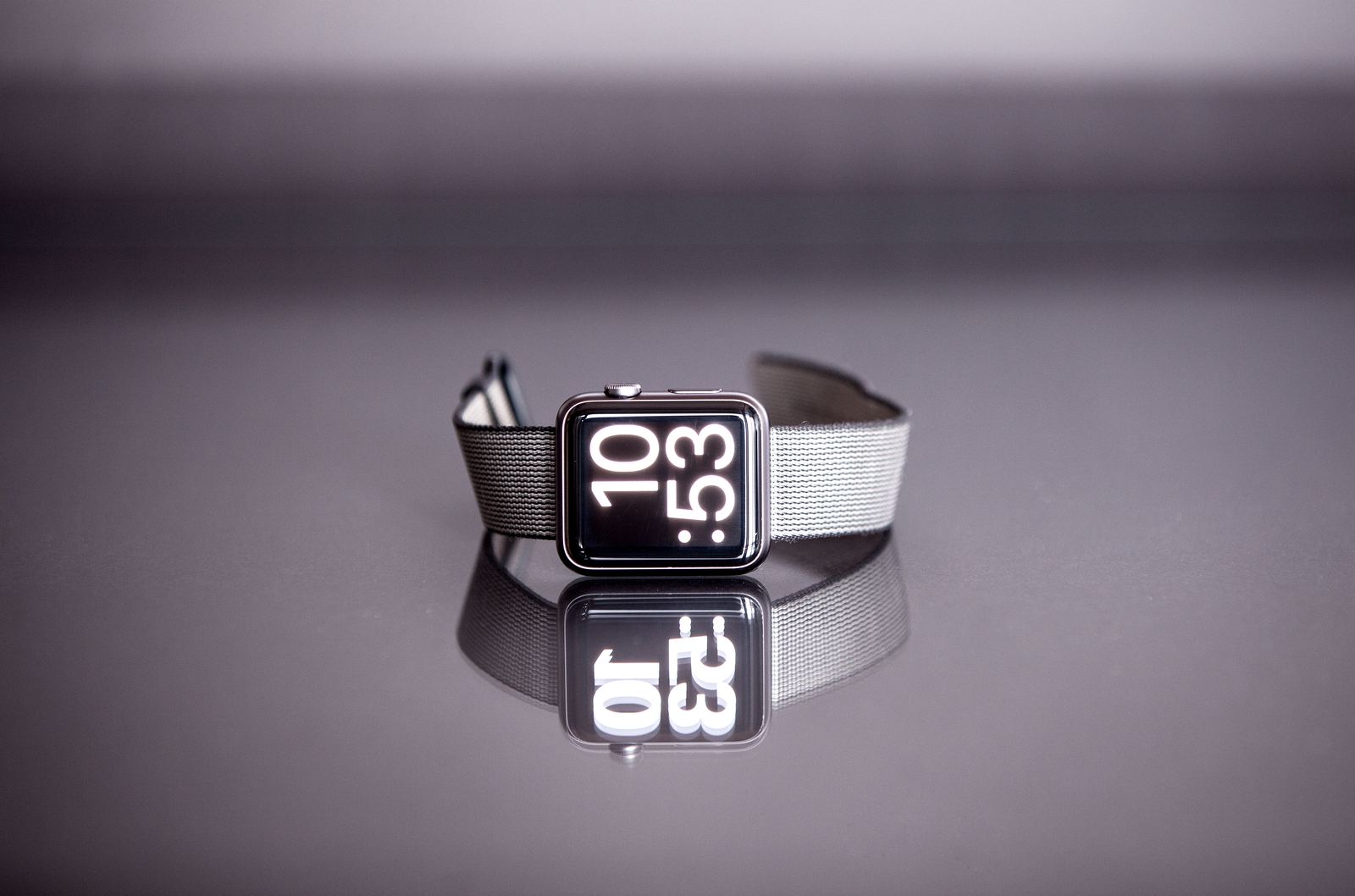
A modern smartwatch: Jens Kreuter jenskreuter, CC0
Dick Tracy's dream
On 13 January 1946 the comic strip detective Dick Tracy began talking into a 2-Way Wrist Radio, and in 1964 he upgraded to a 2-Way Wrist TV. For decades that was the shorthand for a gadget that seemed impossible. Real wrist computing crept closer in steps: the Hamilton Pulsar digital watch in 1972, calculator and computer watches in the 1980s, a Linux watch prototype from IBM in 2000 and a Palm OS wrist PDA from Fossil in 2003.
The modern era began with Pebble, which raised 10.3 million dollars on Kickstarter in 2012, then a record for the site. The Apple Watch followed, shipping on 24 April 2015, and smartwatches became mainstream.
What the sensors do
Most watches shine green light into the skin and measure how much bounces back as blood pulses, which gives heart rate. Accelerometers and gyroscopes count steps and detect workouts, and some can recognize a hard fall. Many models add blood oxygen estimates, skin temperature trends and GPS.
With the Series 4 in 2018, Apple added an electrocardiogram feature that can flag some irregular heart rhythms. These features are screening tools. They can prompt a conversation with a doctor, but they do not replace a medical test.
The ring alternative
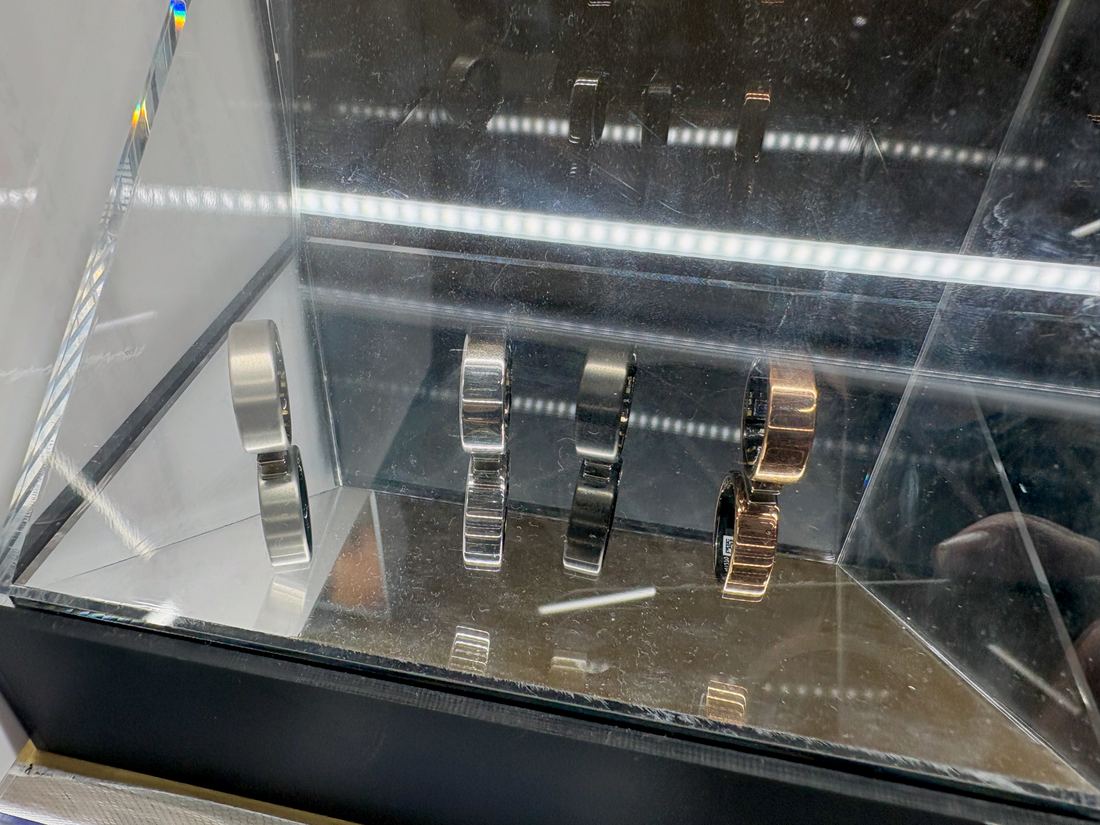
Not everyone wants a screen on the wrist. Smart rings pack similar sensors into a band worn on a finger, where the snug fit is good for overnight readings. Finland's Oura launched its first ring through Kickstarter in 2015 and has released several generations since, focused on sleep, recovery and temperature trends. Other makers have joined, and the category is now crowded.
Rings usually have no display at all. You check your data in an app, which makes them quieter companions but less useful for notifications.
Getting the most from a wearable
Trends are more reliable than single readings, so look at weeks of data rather than one night. A good fit matters for heart rate accuracy. And check battery life, water resistance and what happens to your health data before you choose.
Wearables are also getting smaller and more specialized. Some people now wear a ring for sleep and a watch for workouts, while others prefer a simple fitness band with week-long battery life. The best device is the one you will actually keep wearing.
Facts on this page were checked against these sources.
- A modern smartwatch: Jens Kreuter jenskreuter, CC0
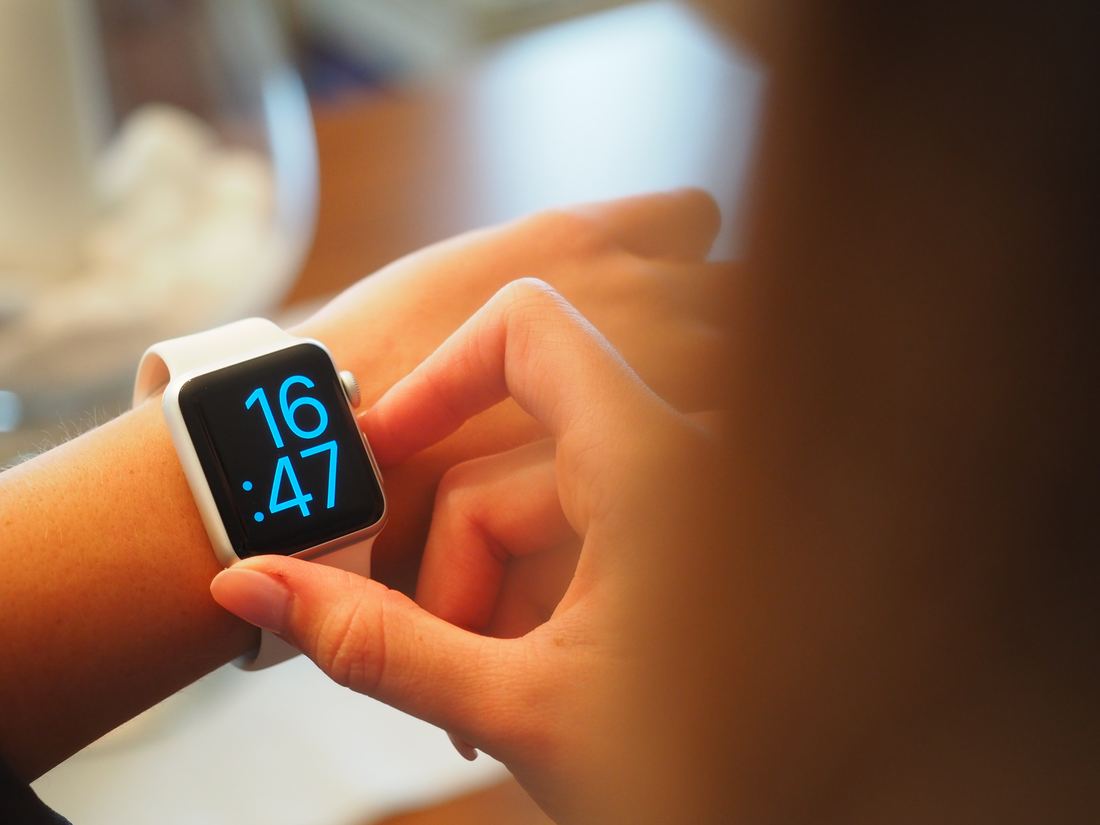
- A smartwatch on the wrist: energepic.com, CC0
- A health-tracking smart ring: Kyu3a, CC BY-SA 4.0
Text written by Futuristic Flow.